Principal’s Pānui:
Tēnā koutou katoa,
Recently I’ve been speaking with some of our students about rising academic demands inherent to this time of the school year, where many internal assessments come due at once. It has been interesting to hear the different stressors that our students face which vary greatly from person to person. Work, relationships, family, sports – the list of varied commitments is often long and each of those has their own particular stressors too that ebb and flow, just like school. Just as each student has a unique circumstance, so too does each student have their unique response to their circumstances. What works for one student may not work for another; a stressful situation for one student may be a complete breeze for another.
Across many years in education, it’s been clear that some students are consistently building their resilience while other students struggle with their response to hardship. It is important to recognise that while we all have unique challenges and respond to these differently, becoming resilient is a skill that we can get better at – and it is something that we can help students develop by challenging them within safe contexts.
I believe that this is a crucial skill for our young people to learn if they are to have a strong platform for facing the challenges that they will come up against in our lives. As parents, it is natural for us to try to protect our children and to shield them from the tough moments. We need to be ready to fight that urge and let our kids sit with discomfort and challenge in small, safe chunks, so that they have the skills to deal with the larger challenges of tomorrow. The sad fact is, life can be hard and we will all experience bad times that will exhaust us and beat us down. We won’t overcome this by always having rainbows and sunshine or someone who rides in to save the day – this will, in fact, leave us unprepared when the storms come.
Resilience is not about having the perfect response to life’s challenges, it is about learning to take ownership of our response to them. Young people can be placed in challenging situations and thus slowly learn by being put in situations which are uncomfortable and test their limits. Regardless of the method, each of us will be challenged to respond to times where we think we don’t have the capacity to deal with a situation. While we don’t have the opportunity to choose what life throws at us, we have the opportunity to respond and, through learning to harness this, we can build the resilience to tackle tough times in the future.
At times, the different pressures of being a high school student will seem too much and our students will be bending under the pressure of life as a teenager. When they stumble and get stuck in a difficult spot, and then subsequently find their feet again, they will be much better equipped to get back up again next time they find that pothole. Parents and teachers can support them by acknowledging that they are going through a lot while also encouraging them to make a positive choice in how they respond that will help them progress along the path they are walking.
Ngā mihi mahana,
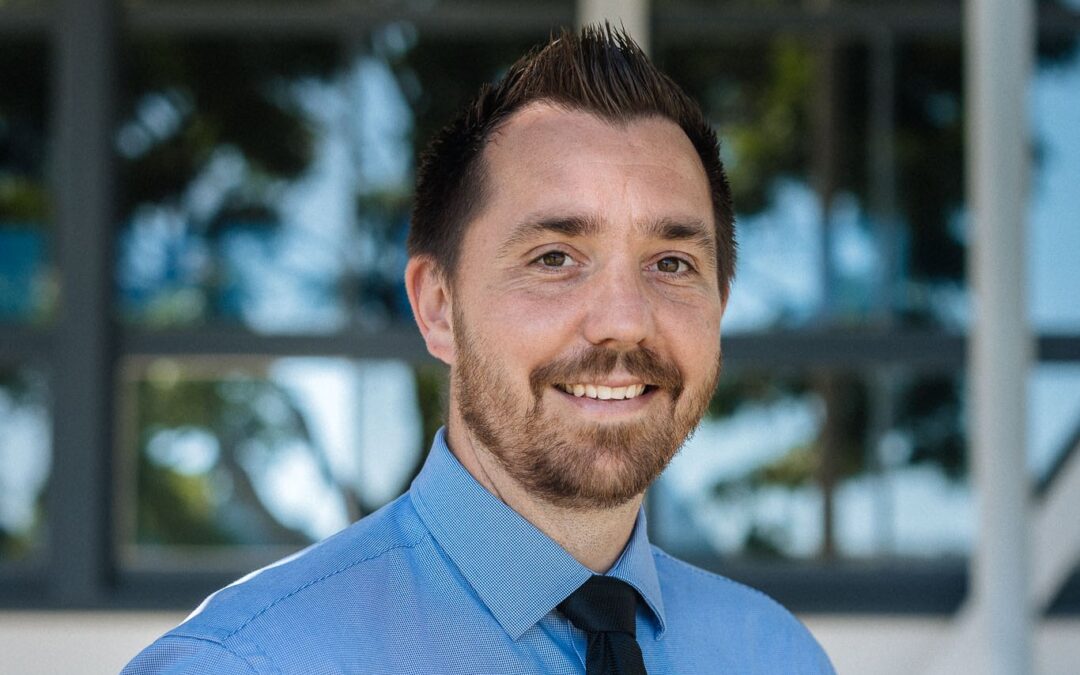
Cameron Flude